


What makes a great community retirement living experience?



This major life decision involves so much more than comparing floor plans and monthly fees. While practical considerations like location, costs, and accessibility matter, the heart of community retirement living is something you can only truly understand through experience.
You've probably read articles listing what to look for in senior communities. You know you should check the proximity to healthcare, review the financial details, and ensure the community has the support, such as transportation, you’ll need. . Those factors are important, and they're worth investigating. But here's what many guides miss: the elements that make retirement living genuinely fulfilling that cannot be captured in a brochure or through online research.
We would like to help you identify the aspects of retirement community life that you need to experience firsthand. These are the intangible qualities that transform a well-run community into the special place you call home.
Before booking that tour, let's explore what to keep in mind during your visit.
- How does the community promote physical health?
A focus on physical health means providing opportunities and encouragement to stay active at your own pace. The best seniors’ communities create environments where movement feels natural and enjoyable rather than obligatory.
During your visit, watch how residents move through the space. Are people walking the hallways? Do you see people using the fitness facilities? A truly health-focused community doesn't just have a gym collecting dust. You'll see regular exercise classes on the programming calendar, walking groups forming, and certified fitness instructors who are there to assist residents with their fitness goals.
Ask yourself these questions as you tour:
- Are there multiple ways to stay active that match different ability levels? You might see gentle movement classes, such as yoga or tai chi, seated stretching,alongside more lively classes geared to getting your heart rate up. Offering a variety of classes gives residents the option to move at their own pace, taking their fitness level and progress into account.
- How does the community support those recovering from injuries or managing chronic conditions? Quality communities adapt programs to individual needs rather than offering one-size-fits-all solutions. They may also work closely with health professionals such as physiotherapists and wellness teams to tailor approaches to individual needs.
- What's the philosophy around wellness here? Listen to how staff talk about health. Do they pressure residents or do they encourage personal choice? The best approach respects autonomy while offering support with a range of options.
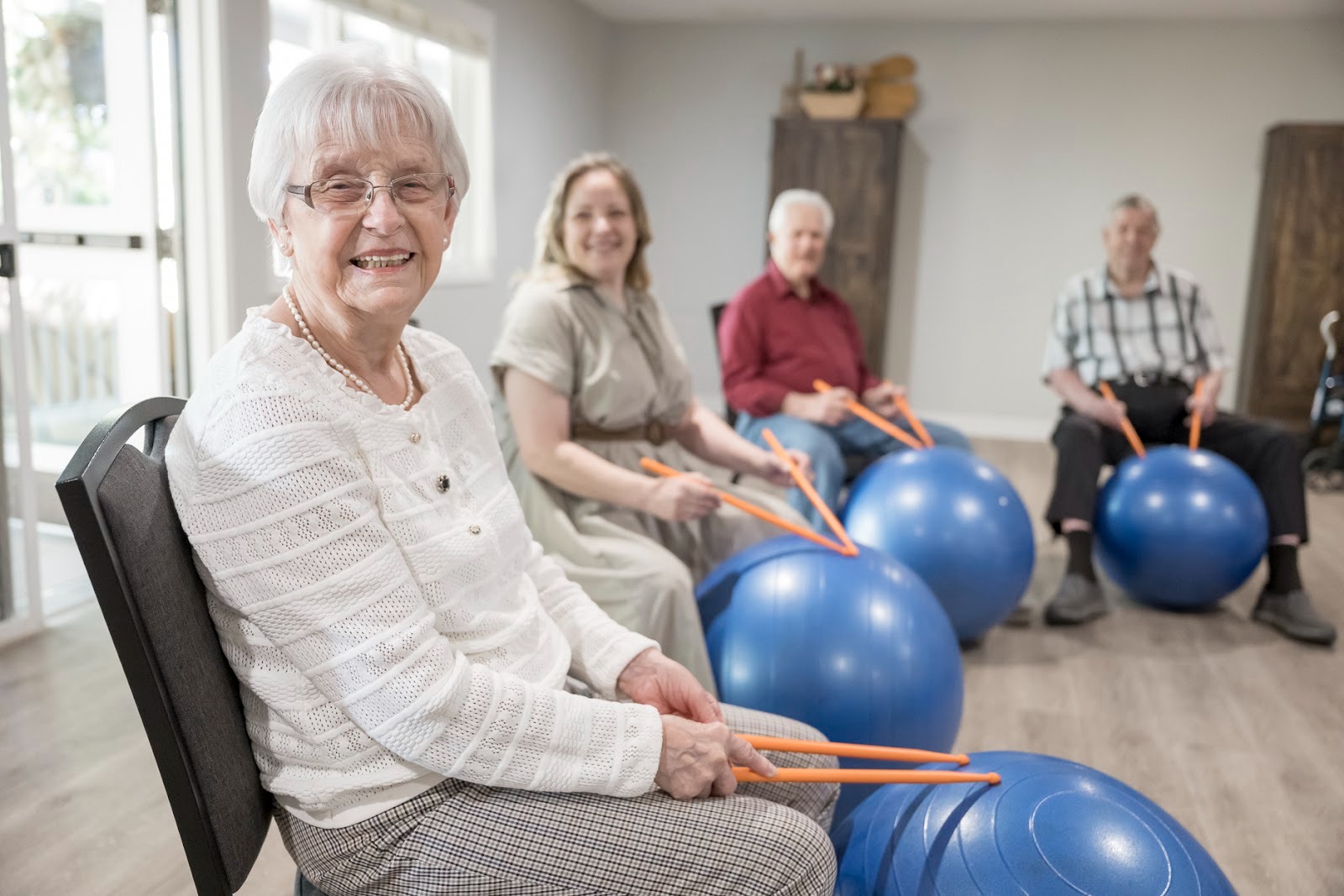
Physical health extends beyond organized fitness. Notice whether the community design itself encourages movement. Wide, well-lit hallways with handrails and spaces to rest invite walking. Outdoor spaces with accessible paths offer an accessible way to enjoy fresh air and sunshine. .
- What does the community feel like?
Community atmosphere is the intangible feeling you get when you walk through the doors. It's whether the place feels like a residence or an institution, whether people seem genuinely connected or just occupying the same building.
You can sense an atmosphere within minutes of arrival. Do team members make eye contact and greet visitors warmly? Do residents chat with each other in common areas or retreat to their suites? The energy tells you whether this is a place where relationships form naturally.
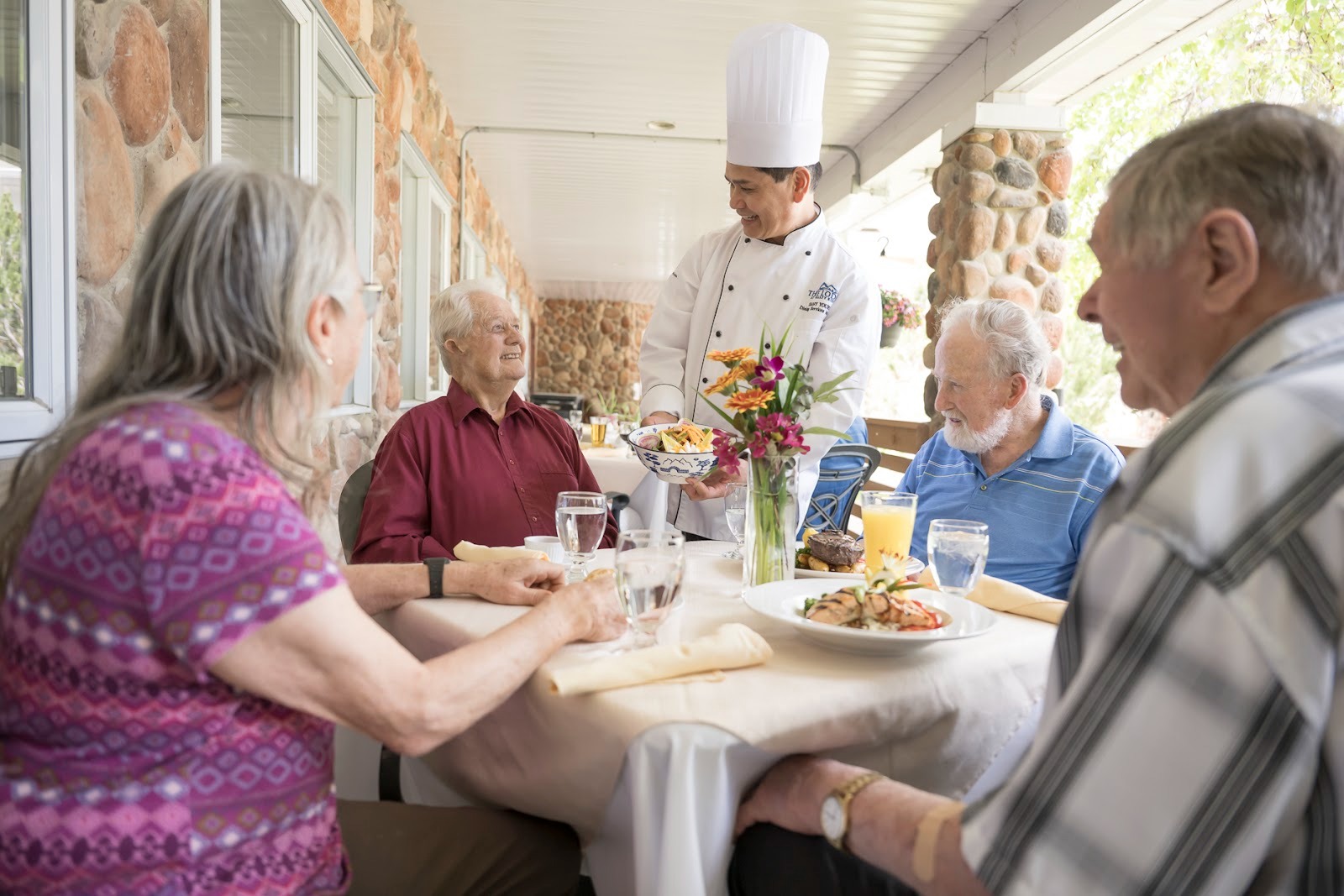
Pay attention during mealtimes. The dining room reveals social dynamics more clearly than anywhere else. Are people eating together by choice? Do you hear laughter and conversation? Residents who enjoy their community tend to linger over meals, treating mealtimes as an opportunity to socialize and savour the dining experience, rather than a chore.
Common spaces offer another window into community spirit. If they are busy and bustling with residents connecting, chances are, you’ll have opportunities each day to socialize and engage with your fellow residents too.
Ask current residents about their experience. How long have they lived here? What do they enjoy most? Their candid responses will tell you more than any marketing material.
The sense of community also depends on how the residence handles conflict and concerns. Do residents feel heard? Are there resident councils or regular forums where people can voice opinions? Communities that respect and value resident input tend to have stronger social cohesion.
Read more: Shared spaces: The heart of modern retirement communities
- How can you assess social interaction and lifestyle options?
Opportunities for social interaction should match the diversity of residents themselves. The best senior communities recognize that people have varied interests and energy levels, so they offer multiple ways to connect with others.
Review the programming calendar during your visit, but look beyond the schedule. How many activities are happening? Are there options throughout the day and week? A robust program calendar offers everything from morning coffee gatherings to evening entertainment, from quiet book clubs to weekly social gatherings, entertainment and more.
Consider whether activities happen only because staff organize them or whether residents drive some of the programming. Communities where residents teach classes, lead discussion groups, or organize outings tend to have more authentic social connections. People bond more deeply over shared interests than scheduled events.
Ask about connections beyond the community walls. Are there partnerships with local cultural organizations? Do residents go on outings together? The richest retirement living experiences include both internal activities and external engagement. You shouldn't feel isolated from the broader world.
Think about your own interests as you evaluate options. If you love gardening, is there a community garden? If you're passionate about arts and crafts, is there a dedicated studio space? The specific amenities matter less than whether the community supports activities you care about.
Social interaction isn't just about organized events. It's also about spontaneous moments. Do the common areas encourage casual conversation? Is there a coffee station where people naturally gather? Sometimes the unplanned interactions matter most.
Read more: How “one new thing” in your retirement community in Calgary will enrich your next chapter
- What should you look for in dining options?
Dining options should offer flexibility, variety, and quality that make meals something to look forward to. Restaurant-style dining in senior communities has evolved considerably, and you deserve more than institutional food on predictable rotation.
Sample the food yourself during your visit. Many communities offer complimentary meals for prospective residents. This firsthand experience tells you everything. Is the food fresh and flavourful? Does it look appealing? Can you imagine enjoying these meals daily?
Menu variety matters tremendously when you're eating in the same dining room every day. Look for communities that change their menus seasonally, offer daily specials, and accommodate different dietary preferences and restrictions.Flexibility in dining times and locations adds to your quality of life. Can you choose your table and who you’re dining with? Are additional snacks and beverages available throughout the day?
The dining atmosphere contributes to enjoyment. Is the space pleasant and well-maintained? Do tables accommodate both intimate meals and larger gatherings? Can you invite family members to join you? Meals become social occasions when there is a focus on hospitality and connection. Ask about special dietary accommodations. How does the community handle food allergies, diabetes management, or texture-modified diets? The culinary team should be able to discuss their approach to individual needs with confidence and care.
- Why do convenient amenities and activities matter so much?
Convenient amenities and activities eliminate the friction that can prevent you from doing what you enjoy. When everything you need is accessible, you spend less energy on logistics and more on living well.
The location of amenities within the community affects your daily experience. You'll use a fitness room that's mere steps from your suite more often than one requiring a long walk. Similarly, a library tucked into a quiet corner invites browsing, while one near high-traffic areas might not.
Think about services that simplify daily life. Is there an on-site salon? What about a convenience store for small purchases, or weekly shopping trips? Does the community arrange transportation to medical appointments? Is there a delivery service for prescription medications? These services become increasingly valuable as you age.
Technology amenities deserve attention, too. Is there reliable internet access throughout the building? Is cable included? Staying connected to family and friends supports well-being just as much as physical amenities do.
Outdoor spaces contribute substantially to quality of life as well. Walking paths, gardens, and comfortable seating areas provide fresh air and time in nature without leaving the community. Are paths cleared in the winter, or is there access to nearby outdoor spaces? Consider how amenities adapt to changing needs over time. Will this community continue to serve you if your mobility decreases or your health needs increase? Understanding the full continuum of care available provides peace of mind about your long-term future.
Read more: Questions families forget to ask (but should) when choosing assisted living
Experience before you decide
The five elements we've discussed require personal evaluation. You can't answer the above questions with confidence simply by reading descriptions on a website.
Booking a tour allows you to observe these qualities directly. You'll see residents interacting, watch programming in progress, and get a feel for the atmosphere that makes each community unique. During your visit, pay attention to your emotional response. Do you feel welcomed? Can you picture yourself here? Sometimes your gut reaction carries as much weight as your logical evaluation.
Take notes about what stands out, both positive and concerning. Speak with residents if possible. Ask staff about aspects that matter to you personally. The investment of time pays off when you find a retirement community that truly fits your needs and preferences.
Exploring various senior living options helps clarify what's available and what distinguishes one community from another. When you're ready to visit, our communities welcome you to experience the difference that thoughtful design and genuine care create.

Frequently asked questions
How many communities should I visit before making a decision?
Visit at least three different communities to develop a basis for comparison. You'll start to recognize which features matter most to you and which communities deliver on those priorities. Some people find their perfect fit immediately, while others prefer to tour extensively before deciding.
Can I visit communities with my family members?
Absolutely, and we encourage it. Family members often notice different details and can help you process information afterward. Discussing your observations together helps ensure everyone feels comfortable with the decision. Many communities welcome family involvement throughout the exploration process.
How do I know if the community atmosphere is genuine or just for show during tours?
Visit at different times of day and on different days of the week if possible. Observe whether residents seem engaged and content during unscheduled moments. Ask to speak with current residents without staff present. Genuine community atmosphere remains consistent regardless of when you visit.
What should I do if I like multiple communities equally?
Create a comparison chart of features that matter most to you and visit multiple times to get a feel for each of your top choices. Sometimes the decision becomes clear once you've spent time in each environment. Trust that the right choice will emerge as you gather more information about daily life in each community.
%201.svg)


Short summary
new line.
bold text
code text
italisized textsuperscript
Aria checklist
Aria numbered list
1
2
3
Aria callout
new line.
bold text
code text
italisized textsuperscript
Aria tip
new line.
bold text
code text
italisized textsuperscript


