


A (real) day in the life at a Calgary retirement community built around wellness


Life in a wellness-focused Calgary retirement community is remarkably different from what most people expect. Mornings are purposeful, afternoons are social, and evenings feel engaging.
If you or someone you love is weighing a move to senior living, understanding what a real day looks like can ease a lot of uncertainty.
Key takeaways from this article:
- A structured but flexible daily rhythm supports both physical and mental wellbeing
- On-site registered kinesiologists can offer both group classes and one-on-one sessions tailored to each resident
- Dining, arts, and social programming are woven into daily life and take the preferences of residents into consideration
- The right community turns routine into an experience rather than an appointment
What does a typical morning look like?
Mornings in a wellness-centred Calgary retirement community begin gently and with intention. Residents move at their own pace, but there is always something welcoming to move toward.
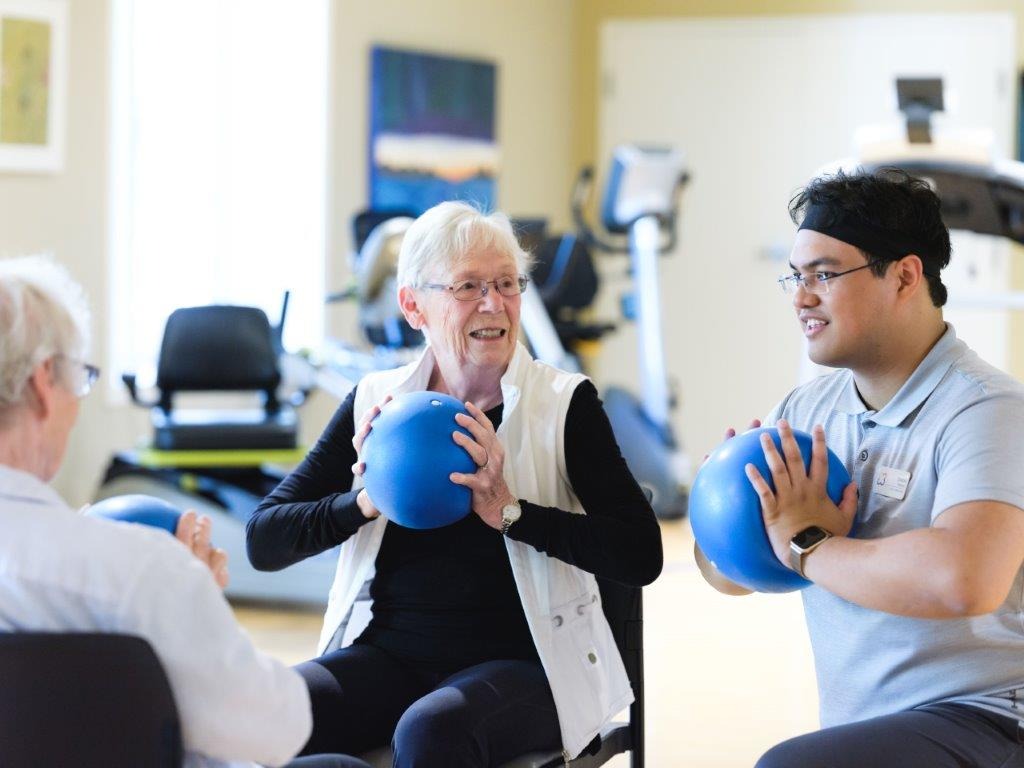
Let’s look at a real-world example. At Garrison Green retirement community, mornings often start with a stretch class or low-impact movement session led by a full-time registered kinesiologist. This is not a generic fitness class, rather, it is a tailored program shaped around the diverse needs of the residents in the room, with modifications offered and individual goals incorporated into the session.
Is there one-on-one fitness support available?
Yes. One of the distinguishing features at select United Active Living senior living communities in Calgary is access to a full-time registered kinesiologist who offers both group classes and private, one-on-one sessions. Residents recovering from surgery, managing a chronic condition, or simply looking to build strength work directly with a professional who knows their history and works with the resident to achieve their goals.
That personalized attention makes a meaningful difference. A group class builds community; a private session builds confidence.
How does dining work throughout the day?
Mealtimes are designed as social anchors, not just nutrition stops. Breakfast, lunch, and dinner each carry their own rhythm and atmosphere.
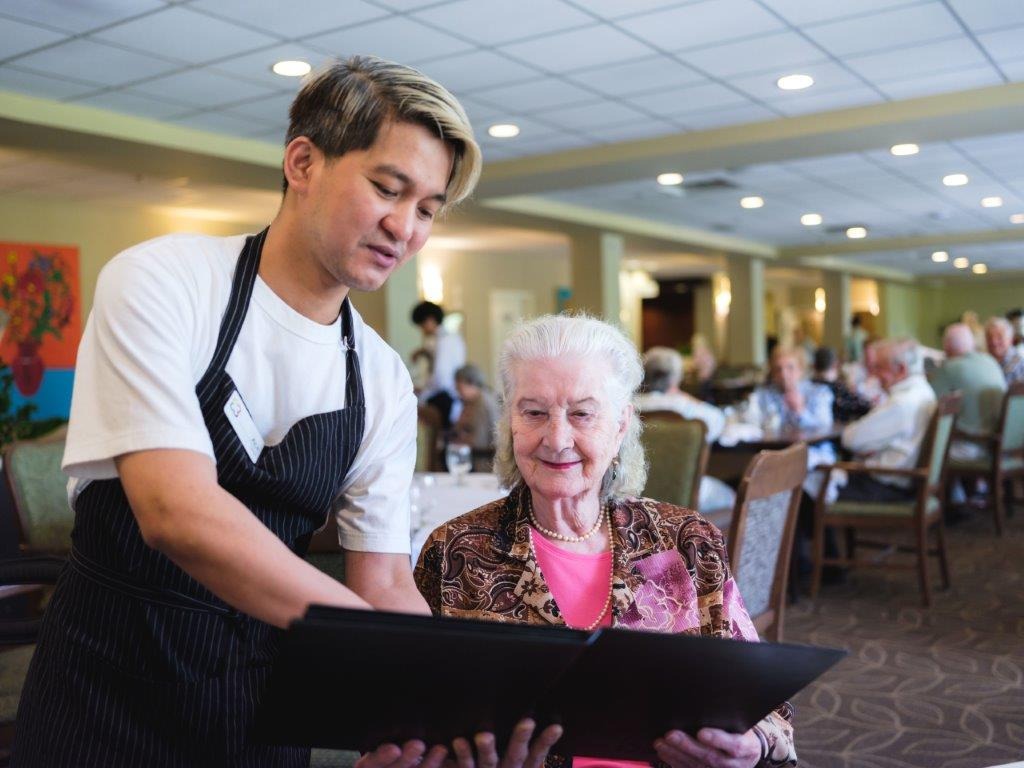
Morning meals tend to be relaxed and conversational. There is no cafeteria-line urgency. Residents settle in, connect with neighbours, and ease into the day at their pace. The culinary team takes pride in designing seasonal menus that feel like a home-cooked meal and the team works hard to become familiar with the personal tastes and preferences of each resident.
What makes the dining experience feel special?
Restaurant-style service means residents are seated, waited on, and offered plenty of choice. The experience draws on restaurant-style hospitality principles, where presentation and warmth matter as much as the food itself.
For residents with specific dietary requirements, including those receiving relationship-centred care or United Minds cognitive support, meals can often be adapted and dietary preferences accommodated thoughtfully and without fuss.
Read more: What makes a great community retirement living experience?
What fills the afternoon hours?
Afternoons are where the breadth of a wellness community really shows itself. After lunch, the options branch into creative, intellectual, and social directions.
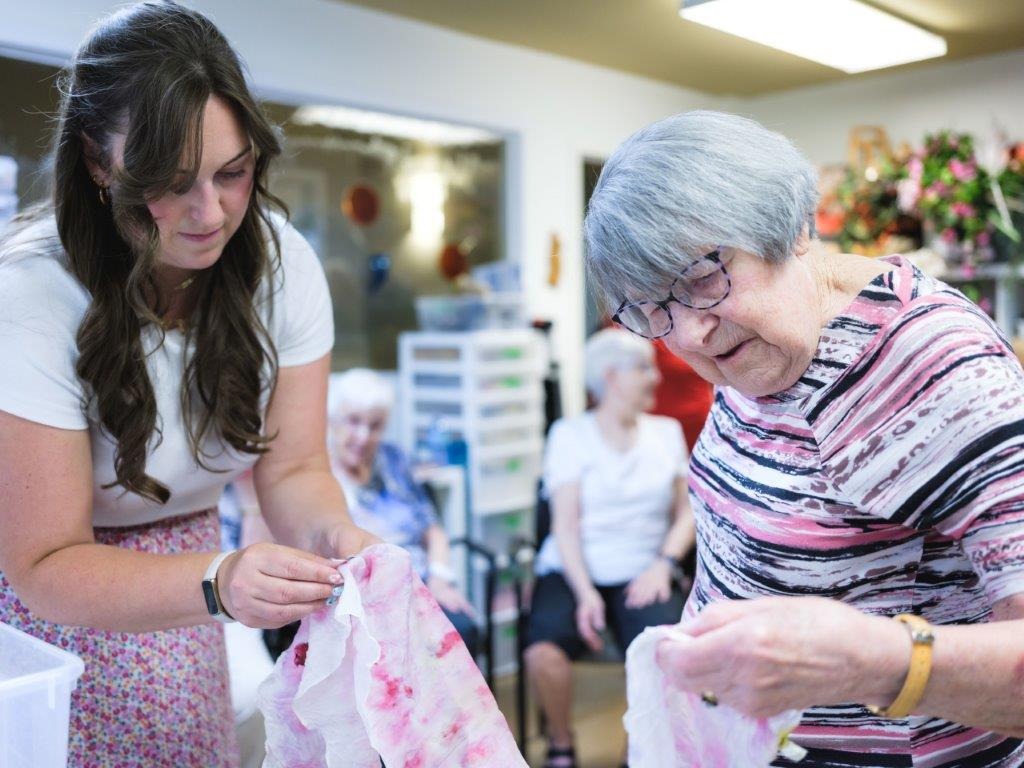
An art studio session might run alongside a lecture on local history. A gentle walking group might overlap with a book club in the library lounge. Residents choose what suits them that day, and programming is ever-changing, so there is always something new to try.
Are wellness programs personalized or group-only?
They are both. Group wellness activities build social connection and a sense of shared routine. One-on-one sessions with the registered kinesiologist support residents as they work toward their individual wellness goals. t. The two approaches complement each other, and residents are encouraged to take advantage of both opportunities.
How does integrated living shape daily interactions?
In communities built on the integrated living model, residents with different care needs share the same spaces, meals, and programming. This is a deliberate and meaningful choice that creates a unified community where residents and team members build relationships based on respect, common interests, and their shared value of connection.
It means a completely independent resident can enjoy spending time with a resident accessing United Minds cognitive support. Those interactions are meaningful, and enriching for everyone involved. The community feels like a tightly-knit neighbourhood because it functions like one.
Does sharing space with residents at different care levels cause friction?
In an integrated community, relationships are developed with sincerity, and rarely cause friction. . Employees are trained in relationship-centred care, which means they attend to the social and emotional dimensions of daily life alongside the practical ones. Shared spaces are designed so that everyone feels comfortable, regardless of where they are in their journey.
Read more: Do retirement communities in Calgary provide medical care?
What does the evening look like?
Evenings are designed to feel complete rather than quiet and waiting to end. Dinner is an event in itself, unhurried and intended to be social and relaxing.
After dinner, residents often gather in social spaces, taking in a movie in the theatre, playing a game, or enjoying a lively conversation. There is no pressure to take part in an activity you don’t enjoy, the community is designed so you can spend your time as you please – enjoying some time to yourself, or connecting with loved ones or your fellow residents. p
FAQs
Q: Can residents keep their own routines after moving in?
A:Daily programming is available, but never mandatory. Residents are free to create their own rhythms, using the community’s offerings as a flexible framework rather than a rigid schedule to be followed. This balance of choice and support helps each resident feel truly at home.
Q: Is there support available if a resident's needs change over time?
A: Relationship-centred care and the integrated living model are specifically designed so residents may not need to relocate as their needs evolve. Support can adjust around the person, meaning they can stay with their partner, participate in programming they enjoy, and socializing with their friends, even as their care needs change
Q: How much time is typically spent in structured programs each day?
A: Most residents engage in two to three organized activities or sessions daily, though this varies widely by the preferences of each individual resident . The goal is a full life, not a full calendar.
Q: Are families welcome to join in daily life?
A: Absolutely. Families are considered partners in the community, and many visit regularly for meals, events, and simply spending time with their loved one in favourite spaces.
Q: What role does the registered kinesiologist play in day-to-day wellness?
A: The full-time registered kinesiologist available in select United communities assesses each resident's physical condition, designs personalised movement programs, leads group classes, and conducts individual sessions. They are a consistent, familiar presence in the community rather than a visiting service.
The uncertainty about whether life will still feel full after a move is completely understandable. What we want to highlight is that in a wellness-centred Calgary retirement community, you have the choice to enjoy life on your terms, with the support of a professional and caring team each step of the way.
The mornings have purpose, the afternoons have possibility, and the evenings have warmth. The only thing that changes is the address.
We invite you to speak with our team to answer any questions you may have.
%201.svg)


